
What Does Your Water Actually Look Like When It Leaves the Tap? Signs Adelaide’s Pipes Are Affecting Your Supply
Your tap water can reveal plumbing clues
Most people only think about water when it stops flowing, tastes strange, or looks different. Clear water is easy to take for granted, but changes in colour, smell, taste, or pressure can sometimes point to problems inside the property’s pipework. Not every change means there is a major issue, but it is worth paying attention when the same sign keeps returning.
Adelaide Plumbers often look at the pattern of the issue before jumping to conclusions. Does it happen from one tap or every tap? Does it appear first thing in the morning or all day? Is it only hot water, only cold water, or both? These details help separate a fixture issue from a broader pipe condition problem.
Discoloured water and what it may suggest
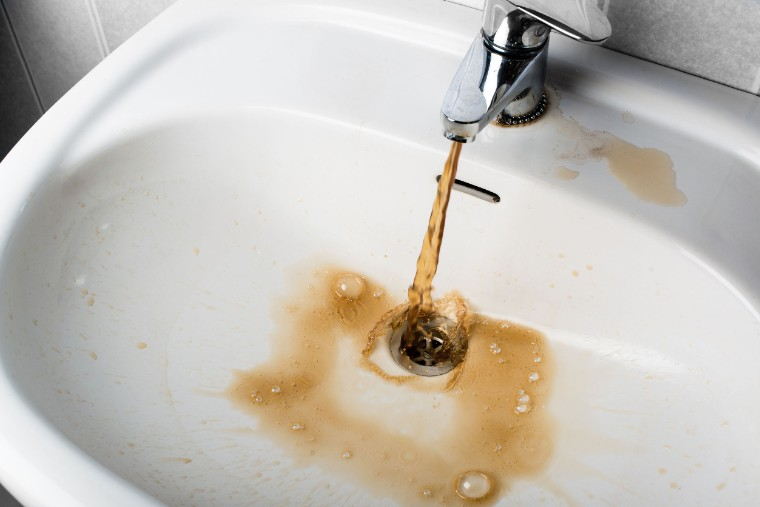
Brown, yellow, or rusty-looking water can sometimes appear after works in the area or changes in mains flow, but if it keeps happening inside the home, older pipework may be involved. Corrosion, sediment, or disturbance inside ageing pipes can affect how water looks when it first leaves the tap. If the colour clears after running for a while, note how long it takes and which taps are affected.
Cloudy water can sometimes be caused by air bubbles and may clear quickly in a glass. If it does not clear, or if it appears with other symptoms such as odour, particles, or pressure changes, it is worth having the system checked. A plumber can help identify whether the source is the fixture, hot water unit, internal pipes, or supply conditions.
Taste, smell, and particles should not be ignored
Metallic taste, unusual odours, or visible particles can be signs that water is interacting with old pipe materials, sediment, or a fixture that needs attention. A rotten or unpleasant smell from a tap may relate to a specific fixture, drain odours nearby, or hot water system issues rather than the whole water supply. The exact pattern matters.
If only one tap has the problem, the fixture or local pipework may be responsible. If several taps are affected, especially across both hot and cold water, the issue may sit deeper in the home’s plumbing. General plumbing checks can help narrow this down without guessing.
Pressure changes and pipe condition
Low pressure can be caused by many things, including fixture restrictions, valves not fully open, pipe corrosion, leaks, or supply issues. Sudden pressure loss is different from slow decline over months. A slow decline in an older home may suggest buildup or ageing internal pipes. A sudden drop may point to a leak, valve issue, or external supply change.
Pressure that changes when several fixtures are used at once can also reveal system limitations. This may not be an emergency, but it can affect daily comfort and may show that older pipework is struggling with current household use.
Why older Adelaide homes need closer attention
Older homes may contain pipe materials and layouts from different periods. Renovations can replace visible fixtures while leaving older supply lines in place. This means a modern kitchen or bathroom may still depend on ageing pipework behind walls, under floors, or outside. Water quality symptoms can be the first clue that those hidden sections need inspection.
It is also common for homeowners to focus on the tap itself. Replacing an aerator or mixer may help if the issue is local, but it will not solve corrosion, sediment, or pipe condition problems elsewhere. A plumber can test the issue more broadly and explain whether repair or further investigation is needed.
read more : How to Burn a 4K Blu-ray Disc for Proper Playback
Practical steps before calling a plumber
Write down when the water changes and which taps are affected. Fill a clear glass and watch whether cloudiness clears from the bottom up or stays suspended. Check whether hot and cold water behave differently. Remove and clean tap aerators if you are comfortable doing so, because small particles can collect there. Also ask whether neighbours are experiencing similar issues, as that may suggest a wider supply event.
If the issue keeps returning, affects drinking water, appears with particles, odour, staining, or pressure changes, arrange a plumbing inspection. The aim is to identify the source rather than simply masking the symptom.
Conclusion
Changes in tap water appearance, taste, smell, or pressure can be easy to dismiss, but they often provide useful clues about the condition of a home’s plumbing. The issue may be minor, local to one fixture, or connected to older pipes or a hot water system. If the same water quality concern keeps appearing, a plumber can check the pattern, inspect the relevant pipework, and help protect the reliability of your supply.