
How Fault Is Determined In New Jersey Car Accident Cases
A car crash in New Jersey can wreck your body, your income, and your sense of control. You may sit with medical bills, missed work, and a damaged car. Then the questions start. Who caused this. Who pays. How do you prove it. New Jersey law uses fault rules that decide who must cover your losses. Insurance companies study every detail. They look at police reports, photos, and your own words. They often try to push blame onto you. That pressure can feel ruthless when you are hurt and scared. This guide explains how fault is decided in New Jersey car accident cases. It shows what evidence matters, how “comparative negligence” works, and why quick mistakes can cost you money. It also explains when to get legal help and how sites like chamlinlaw.com may support your next step.
How New Jersey’s fault rules work
New Jersey uses “modified comparative negligence.” That phrase sounds cold. It still controls your claim.
Three simple rules guide fault in most cases.
- You can recover money if you are 50 percent or less at fault.
- Your money is cut by your share of fault.
- You recover nothing if you are more than 50 percent at fault.
Courts and insurance adjusters use this same structure. They look at the crash and assign each driver a percentage. That number becomes your risk.
Examples of comparative negligence
Numbers help you see the impact. Imagine a jury finds your losses equal 100,000 dollars.
| Your share of fault | Can you recover money | Amount you receive |
|---|---|---|
| 0 percent | Yes | 100,000 dollars |
| 20 percent | Yes | 80,000 dollars |
| 50 percent | Yes | 50,000 dollars |
| 51 percent | No | 0 dollars |
This is why insurers fight over a few percent. A small shift cuts your payment or wipes it out.
Who decides fault after a crash
More than one group studies fault. Each one can shape your outcome.
- Police. The officer writes a report and may issue tickets.
- Insurance adjusters. They review records and set early fault numbers.
- Courts. A judge or jury makes the final legal call if your claim goes to trial.
Police reports matter. They are not the final word. Adjusters and courts can reach a different view.
You can read about police crash reports and safety rules on the New Jersey Motor Vehicle Commission site at https://www.state.nj.us/mvc/drivertopics/accidents.htm.
Common sources of fault in New Jersey crashes
Fault often comes from three types of conduct.
- Breaking traffic laws such as speeding or running red lights.
- Distracted driving such as phone use or eating.
- Careless acts such as tailgating or unsafe lane changes.
New Jersey traffic laws set the standards. When a driver breaks a clear rule, fault often follows. You can review state traffic and driver rules through Rutgers and state links collected at https://cait.rutgers.edu/resources/new-jersey-traffic-safety-resource-center/.
Key evidence used to decide fault
You help shape the fault story from the first minutes after the crash. Evidence comes from many sources.
- Police report. This includes diagrams, witness names, and tickets.
- Photos and video. Pictures of vehicles, skid marks, and road signs show how the crash happened.
- Witness statements. Bystanders can confirm what they saw and heard.
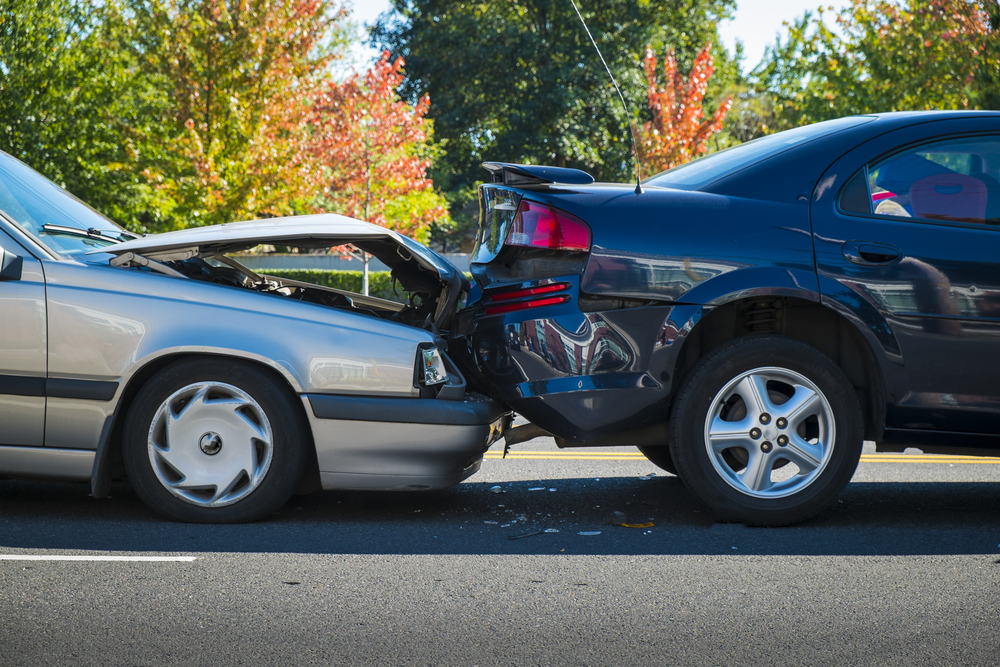
- Vehicle damage. Crumple patterns show speed and direction.
- Medical records. These link your injuries to the crash.
- Phone and vehicle data. Text logs or event recorders can show speed or distraction.
You protect yourself when you collect names, photos, and basic facts at the scene. You protect yourself again when you keep them safe and share them with your insurer and legal team.
How your own actions can hurt your claim
Insurers look for any reason to raise your share of fault. Three common mistakes cost people money.
- Apologizing or taking blame at the scene.
- Posting about the crash on social media.
- Skipping medical care or ignoring follow up visits.
Each choice gives the insurer an opening. They may argue you were not hurt. They may argue you caused the crash or made your injuries worse.
Step by step actions after a New Jersey crash
You keep your family safe and protect your claim with clear steps.
- Check for injuries and call 911.
- Move to a safe place if you can.
- Call the police and wait for the officer.
- Exchange contact and insurance information.
- Collect witness names and phone numbers.
- Take photos of vehicles, the road, signs, and your injuries.
- Seek medical care even if you feel fine.
- Report the crash to your insurer promptly.
- Keep a folder with bills, records, and notes about pain and limits.
Each step builds a clear record. That record supports your version of events when fault questions rise.
When legal help can change the outcome
You face complex rules, firm deadlines, and strong pushback from insurers. You also face physical pain and daily stress. Legal help can shift some of that weight.
Support from an experienced New Jersey car crash attorney can help you with three main tasks.
- Investigate the crash and secure evidence fast.
- Challenge unfair fault claims and low offers.
- Explain your rights under New Jersey insurance and injury laws.
You do not need to wait until a dispute explodes. You can ask questions early and understand your options before you sign forms or give long statements.
Protecting yourself and your family
A New Jersey car crash can feel like chaos. Fault rules give structure to that chaos. They decide who pays for medical care, income loss, and property damage. They also respond to every word and choice you make after the crash.
Witness Statements: Independent witnesses who saw the accident can provide unbiased accounts of what happened, helping to clarify the circumstances surrounding the accident.
You protect your claim when you know how comparative negligence works. You protect it when you collect evidence, avoid blame, and seek medical care. You protect it when you reach for legal support from a trusted source such as https://chamlinlaw.com/ and ask direct questions about your rights under New Jersey law.