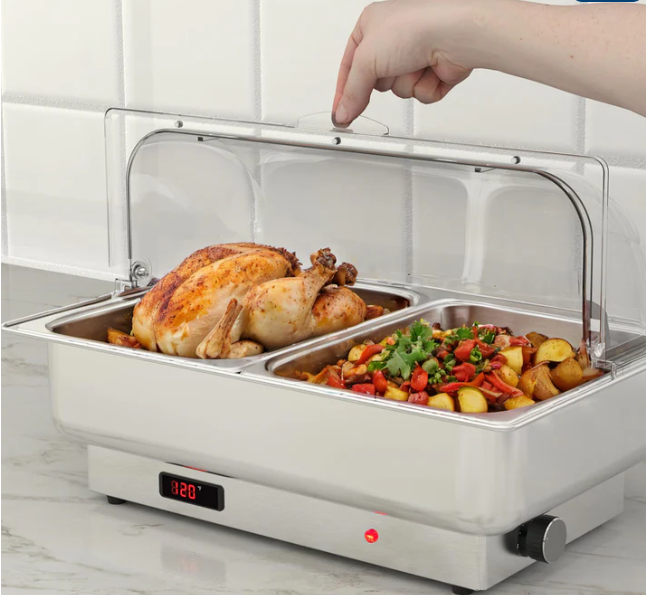
Chafing Dish Buying Guide for Efficient Buffet Service
When guests walk up to a buffet, they notice two things right away: how the food looks and whether it feels ready to enjoy. That is why choosing the right chafing dish matters so much for caterers, restaurants, hotels, and even hosts planning special events at home. A strong setup helps keep meals at the right serving temperature, supports a cleaner presentation, and reduces stress during busy service windows. Many buyers also compare this option with a food warmer when building a buffet line for banquets, holiday dinners, or corporate gatherings. While both can help maintain heat, their appearance, portability, and serving style are often very different. This guide breaks down the most important features, practical uses, and buying considerations so you can choose equipment that works well, looks professional, and lasts through repeated service.
Why Heat Retention Matters in Buffet Service
Serving hot food is about more than convenience. It directly affects guest satisfaction, food texture, and the overall impression of the event. Dishes that cool too quickly can lose flavor, develop an unappealing surface, or become less enjoyable within a short time.
A reliable buffet setup helps in several ways:
- It keeps service organized during rush periods
- It supports a more polished and professional display
- It reduces the need for constant reheating in the kitchen
- It helps maintain consistency across multiple menu items
- It improves the guest experience from the first serving to the last
For businesses, that consistency matters. Guests remember when a buffet feels well managed. For home hosts, it creates a smoother event because less time is spent checking trays and reheating dishes.
For shoppers comparing a tabletop chafer with a dedicated food warmer, the right choice often depends on how formal the event is, how many items need to stay hot, and whether presentation is as important as heat control.
Features That Matter Most Before You Buy
Not all buffet equipment performs the same way. Before choosing a unit, focus on the details that affect daily use.
1. Capacity and pan configuration
Think first about portion volume. A small gathering may only need one or two full-size pans, while weddings, catered lunches, and hotel breakfast stations often require several coordinated units.
Look at:
- Full-size versus half-size pans
- Depth options for different menu items
- Compatibility with common replacement pans
- Whether the setup can support both main dishes and sides
A flexible configuration gives you more control when menus change from one event to the next.
2. Heating method
Different models use different heat sources, and each has practical advantages.
Common options include:
- Fuel-based systems for mobility and easy setup
- Electric units for controlled indoor service
- Induction-compatible styles for modern commercial spaces
Fuel-based styles are often popular for catered events because they are portable and easy to place almost anywhere. Electric units may work better for fixed service lines where outlets are easily available and consistent heat is a priority.
3. Lid style and guest flow
The lid design can affect both presentation and speed of service. This is especially important for self-serve buffets.
Popular lid styles include:
- Lift-off lids for simple access
- Roll-top covers for cleaner presentation
- Hinged lids for convenience in tighter spaces
A smooth lid system helps guests serve themselves faster and keeps the buffet line moving.
4. Material quality
Stainless steel remains a popular choice because it looks clean, resists corrosion, and is generally easier to maintain after repeated use. A strong frame, stable legs, and durable handles also matter more than many buyers expect.
You want equipment that can handle:
- Frequent transport
- Repeated cleaning
- Exposure to steam and moisture
- Long service sessions without wobbling or shifting
5. Easy cleaning and maintenance
Time saved after service is valuable. Removable pans, smooth surfaces, and fewer hard-to-reach corners can make a big difference, especially for teams handling multiple events each week.
How a Chafing Dish Supports Professional Presentation
A buffet is part of the visual experience of an event. Guests may not notice every detail, but they immediately notice whether the setup looks organized, balanced, and welcoming. That is one reason this style of serving equipment remains popular for catering, banquet halls, hotels, and formal celebrations.
A well-designed unit improves presentation by:
- Framing each menu item neatly
- Creating a uniform look across the serving line
- Helping steam and heat stay where they belong
- Making the buffet feel more premium and intentional
This is especially useful at weddings, business events, holiday gatherings, and upscale brunch service. The right equipment does not just hold food; it supports the atmosphere of the room.
If you want to browse sizes, accessories, and serving options for a chafing dish, pay close attention to capacity, lid style, frame strength, and how well the finish matches the tone of your service area.
Best Use Cases for Buffet Warming Equipment
The best choice depends on how and where you serve. Some events need mobility, while others need long holding times and a polished display.
Catering events
Caterers need equipment that travels well, sets up quickly, and keeps multiple menu items service-ready. Portability, easy assembly, and durable construction matter a lot here.
Hotels and breakfast stations
Hotels often need a neat, consistent look that supports self-service over longer periods. Appearance and ease of refilling become major priorities.
Restaurants with buffet service
Restaurants benefit from equipment that is easy to clean, stable during repeated use, and practical for both busy periods and slower shifts.
Holiday dinners and home entertaining
Home hosts may not need a large commercial lineup, but they still benefit from serving equipment that keeps dishes warm while guests arrive at different times. It can reduce stress and make entertaining feel more relaxed and polished.
Corporate meetings and community events
Office lunches, school events, and community gatherings often need a balance between practicality and appearance. In those cases, compact buffet solutions with simple setup can be ideal.
When a Food Warmer Makes More Sense
There are situations where a food warmer may be the better fit. If your priority is back-of-house use, kitchen staging, or keeping prepared items ready before plating, a more utility-focused solution can be helpful.
This option may work well when:
- Presentation is less important than capacity
- You need controlled holding in a prep area
- You serve from the kitchen rather than directly from a buffet line
- Your workflow depends on consistent warming over appearance
That said, many buyers eventually use both styles in different parts of their operation. One may support prep and holding, while the other supports front-facing service.
read more : https://cubanribs.com/
Tips for Better Setup and Safer Service
Even high-quality equipment performs better when it is used correctly. Small setup choices can improve both appearance and function.
Start with hot food
These units are designed to maintain temperature, not fully cook or rapidly reheat cold food. Starting with properly heated dishes helps the entire buffet perform better from the beginning.
Use the right amount of water
For water-pan systems, follow the manufacturer’s guidance. Too little water can affect performance, while too much may create handling issues during service.
Avoid overcrowding the line
Guests should be able to move easily. Leave enough space between serving points so lids can open fully and utensils can be handled safely.
Match the equipment to the menu
Thicker dishes like pasta, casseroles, and stews may hold differently than lighter items such as vegetables or breakfast foods. Choose pan depth and layout with your menu in mind.
Check fuel or power before service begins
Nothing disrupts a buffet faster than discovering a heat source problem after guests have already lined up. A simple pre-service check prevents avoidable issues.
Common Buying Mistakes to Avoid
Many buyers focus too much on price and not enough on practical use. That can lead to disappointment after only a few events.
Avoid these common mistakes:
- Choosing the wrong pan size for your menu volume
- Ignoring lid style and guest convenience
- Overlooking cleaning time after service
- Buying equipment that looks good but feels unstable
- Forgetting to consider transport and storage needs
- Selecting a finish that does not match the event style or venue
Think beyond the first event. The right purchase should still feel useful after repeated setup, breakdown, cleaning, and storage.
How to Choose the Right Model for Your Needs
A smart purchase starts with a few simple questions:
- How many people do you usually serve?
- Is the setup for formal events, casual gatherings, or daily commercial use?
- Do you need portable equipment or a fixed-service solution?
- Will guests serve themselves, or will staff plate the food?
- How important is presentation compared with pure holding capacity?
If your events are guest-facing and visual presentation matters, the design and finish deserve extra attention. If the main need is operational efficiency, then durability, capacity, and ease of maintenance may matter more.
The best solution is rarely about one feature alone. It is about choosing equipment that fits your menu, your workflow, and your service style.
FAQ
1. What is the main purpose of buffet warming equipment?
Its main purpose is to help keep prepared food at a consistent serving temperature while improving the overall flow and appearance of service.
2. Is a fuel-based setup good for off-site catering?
Yes, it can be a practical choice for off-site events because it is portable and does not always depend on a nearby power source.
3. Can a food warmer be better than a buffet server for kitchen use?
Yes. A food warmer can be the better choice when presentation is not the priority and the focus is on prep-area holding, staging, or back-of-house efficiency.
4. What material is usually best for long-term use?
Stainless steel is often preferred because it is durable, easy to clean, and suitable for repeated commercial or event use.
5. What should I look for before buying?
Focus on capacity, heating method, lid design, durability, ease of cleaning, and whether the unit matches the type of events or service environment you handle most often.
Conclusion
A good chafing dish does much more than keep meals warm. It helps create a cleaner buffet line, supports a more professional presentation, and makes service easier for both staff and guests. Whether you manage a catering business, run buffet-style service, or host memorable family events, choosing the right unit can improve food quality, workflow, and appearance at the same time. Instead of buying based only on price, focus on capacity, durability, heating style, and ease of maintenance. When those factors align with your real service needs, you get equipment that performs well across many occasions and delivers lasting value beyond a single event.