
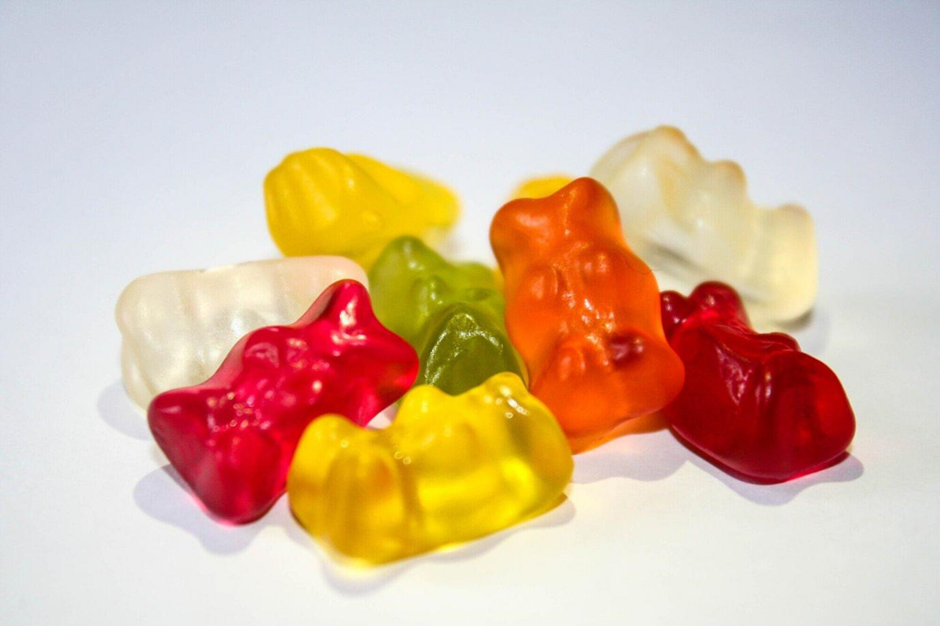
Understanding Candy Texture: The Science Behind a Perfect Gummy
Have you ever wondered what makes gummy candies so chewy and satisfying? The secret lies in the candy texture, which plays a huge role in how we enjoy these treats. Candy texture can be crunchy, smooth, chewy, or sticky. In the case of gummies, it’s all about that perfect chewiness that keeps us coming back for more.
Let’s dive into the science behind a perfect gummy and understand how different factors, like sugar level, shape the experience of eating these delightful sweets.
The Science of Candy Texture
Candy texture involves a combination of ingredients and cooking methods. When making gummies, sugar is one of the main ingredients that contributes to the candy’s texture.
Sugar acts like a glue, holding everything together. However, it’s not just about sugar alone. Other ingredients like gelatin, pectin, and starch also play significant roles. Understanding how these components interact helps candy makers create the best candy texture possible.
The Role of Sugar
Sugar is essential for building the structure of gummy candies. When sugar is heated, it melts and forms a syrup. This syrup acts as a binding agent, allowing other ingredients to blend in smoothly.
The sugar level in the recipe can affect everything, from the sweetness of the candy to its final texture. If there’s too much sugar, the gummies can become overly sticky, while too little sugar can result in a hard and brittle candy. Candy makers experiment with different sugar levels to find that sweet spot that delivers the perfect gummy texture.
Gelatin: The Secret Ingredient
Another crucial ingredient in gummy candies is gelatin. Gelatin is derived from animal collagen and gives gummies their signature chewiness. When mixed with water and heated, gelatin dissolves and creates a gel-like consistency.
As the mixture cools, it solidifies, forming the chewy texture we love. The amount of gelatin used in a recipe will directly influence how firm or soft the gummies turn out.
More gelatin leads to firmer candies, while less creates a softer, more delicate texture. The balance of these ingredients is vital for a perfect gummy.
Pectin and Starch in Gummies
While gelatin is a popular choice, pectin is often used for vegetarian candies. Pectin comes from fruits and acts similarly to gelatin in forming a gel. This makes it possible for those who prefer plant-based candies to still enjoy a gummy texture.
Starch can also be included in gummy recipes to give the candy a slightly firmer bite and to help it maintain its shape during storage. Understanding these alternative ingredients gives candy makers more options when crafting the perfect gummy candy.
The Importance of Cooking Methods
How candy is cooked significantly affects its final texture. Different temperatures will yield different results.
For gummy candies, the mixture is typically heated to around 230 degrees Fahrenheit (110 degrees Celsius). This temperature helps dissolve the sugars and gelatin while also allowing for the formation of the right consistency.
If the temperature is too high, the candy can become too tough, whereas if it’s too low, it won’t set properly. Timing also matters; cooking the mixture for too long can lead to a grainy texture, which is the last thing you want in a gummy!
After cooking, it’s essential to cool the candy mixture properly. As the gummies cool down, they will continue to firm up. This is why temperature control during this stage is again crucial.
If gummy candies aren’t given enough time to chill, they may end up being sticky or shaped poorly. That’s why many candy makers pour the mixture into molds and allow it to set at room temperature before refrigerating it. The cooling process not only affects texture but also helps lock in the flavor and color of the gummies.
Flavoring and Its Impact on Texture
Flavoring agents also influence candy texture. Natural and artificial flavors come in various forms, such as liquid, powder, or gel. Depending on the type of flavor used, it can change the gummy’s texture.
For example, adding a liquid flavor can introduce more moisture into the mix, making the final product softer. Conversely, using powdered flavors might not affect consistency as much. Flavoring needs to be balanced with sugar levels to maintain the perfect candy texture.
Experimenting with Unique Ingredients
Some candy makers are now experimenting with unique ingredients to create new flavors and textures. You might see things like coconut milk or fruit purees being used in gummy recipes. These can introduce different textures and taste experiences.
However, it’s critical to maintain a balance. Too much of any unique ingredient can alter the consistency, leading to candy that doesn’t set correctly. Successful candy makers know how to tweak traditional recipes while still creating gummies that delight the palate.
Storing Gummy Candies Properly
Once your perfect gummy candies are made, storing them properly is vital to preserving their ideal texture. Humidity and temperature can affect gummies significantly. If gummies are exposed to moisture, they can become sticky and clump together.
On the other hand, too much air exposure can dry them out. The best way to store gummies is in an airtight container in a cool, dry place.
Keeping them away from direct sunlight also helps extend their shelf life. The science of good storage can help ensure that your gummies remain chewy and delicious for an extended time.
The Role of a Gummy Candy Machine
To produce gummy candies at scale, many manufacturers use a gummy candy machine. This specialized equipment not only helps mix ingredients but also controls temperature and timing precisely, ensuring that the batches produced are consistent in texture and taste.
With a machine, the process becomes more automated and efficient, allowing for a higher output of perfect gummies.
The Craft of Creating Perfect Gummy Texture
Understanding candy texture is vital for creating the perfect gummy. From managing sugar levels to controlling temperature and experimenting with ingredients, every step of the process matters. By balancing these elements, candy makers can produce gummies that are not just tasty but also have the ideal chewy consistency.
The next time you enjoy a gummy treat, take a moment to appreciate the science and creativity behind that perfect texture! Discovering the science of candy texture invites a world of flavor and fun for candy lovers of all ages.
If you enjoyed this article and would like to read more like it, please check out the rest of our blog today.